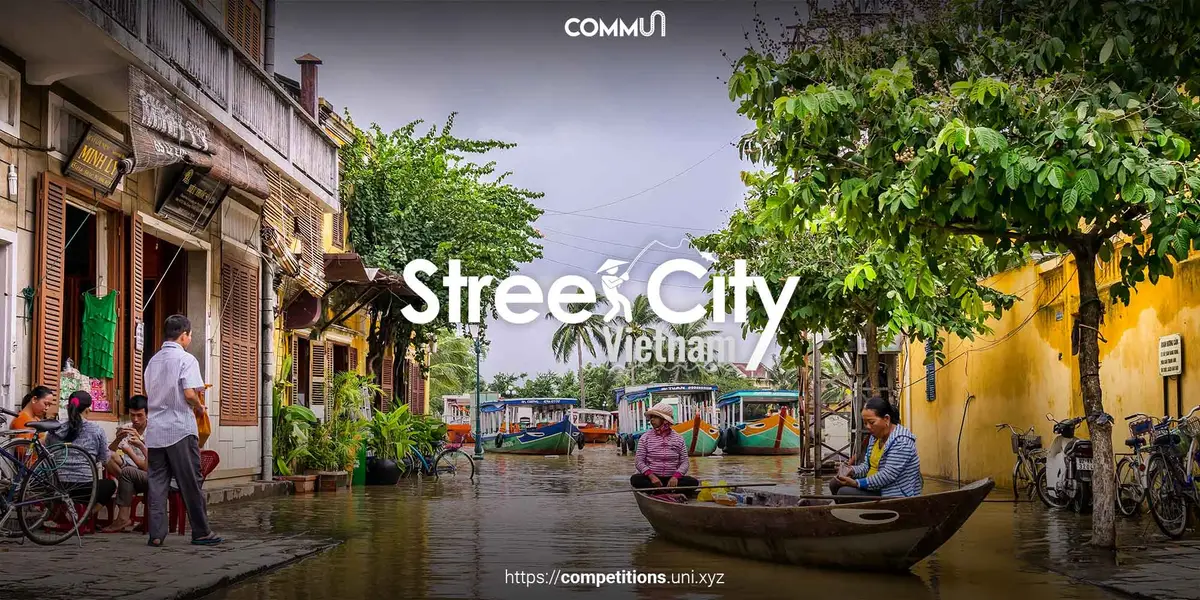
Street City Vietnam
Rejuvenating the street markets of Vietnam.
OVERVIEW
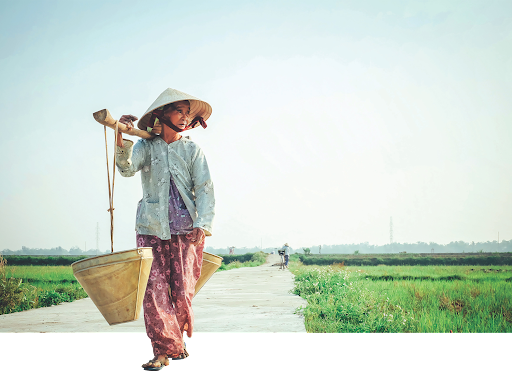
Img 1: A villager in Vietnam countryside.
Premise
The past is prologue, everything that is happening today has its roots in yesterday.
Vietnam after second world war faced a series of battles lead by their leader Ho Chi Minh for decades. This was to free the country from Japan, and subsequently the French Colonies. Their freedom struggle from foreign colonization was successful in 1986. The country had been through a turmoil for decades and was in a state of great disparity.
Economic and political reforms under Đổi Mới, launched in 1986 itself, transformed the country’s economic status for the following years. Agricultural, fishing and state owned enterprises were allowed to act on commercial basis along with policy reforms that enabled them to integrate into the world economy.
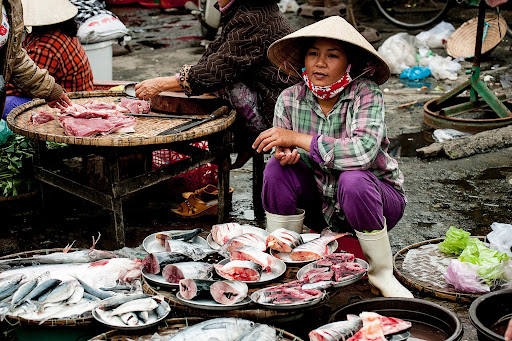
Img 2: A local vendor selling fishes
Blue Economy
The Fishing and seafood industry expanded dramatically after the reforms and its historical importance were evidently visible in the number of employees directly or indirectly involved with the industry. By 2012, more than 5 million people were directly employed by the sector and around 8 million people (10% of the population), derived their main income from fisheries.
Between 1986 and 1998 the value of exports has increased almost eightfold, growing at 20% per year. The volume of seafood exports make up a large portion of the local economy and are projected to rise. As part of the government’s five-year plan, the focus now lies on increasing aquaculture production through diversification and in protecting fisheries resources.
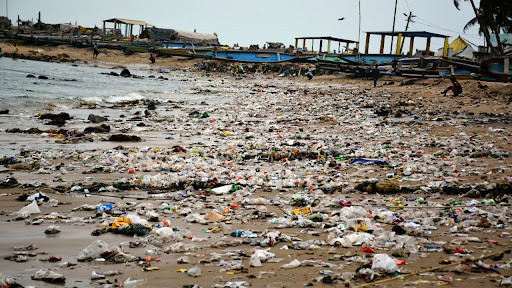
Img 3: Destruction of Marine Life - Plastic.
Environmental Damage
The economic and population growth, has fueled an increase in consumption of fish in Vietnam. Subsequently, it raised demand for an increase in production as well, ultimately leading to intensive methods of fish farming.
In time, exhaustive methods of fish farming has caused coastal erosion, which in combination with river-borne pollutants has led to a 40% decrease in his farm’s productivity in Mekong Delta, and several other parts of the country. Therefore, the trend towards sea, sea exploitation and sea enrichment is intensified but was accompanied by unsustainable exploitation methods. Amidst the struggle for mass production using synthetic farming and export, the local fishermen are perishing to make a living and sustain. The traditional methods of fishing which are much more sustainable are still prevalent in parts of the country and serve only the local markets.
Img 3: Destruction of Marine Life - Plastic.
Brief of the competition
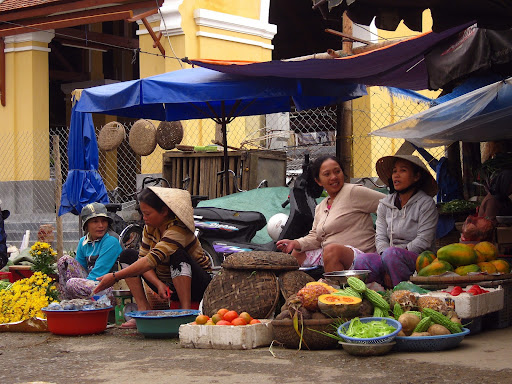
The produce from aquaculture in Vietnam is much more than the local produce, and the competitive market demand has subdued the local vendors. Although traditional methods still prevail and attract tourists, the disparity in demand of naturally grown fish has denied them a modern infrastructure in urban areas.
Street market culture is thriving in Vietnam, yet the infrastructure for same has not been explored.Vibrant Open markets like Doung Doung, Hoi An, Hanoi Weekend Night Market, sell local fresh produce, flowers, clothes and other household items attract millions of tourists each year, stimulating the street culture of Vietnamese Cities.
Brief: The challenge here is to design, an open seafood market infrastructure to house the local sellers and rejuvenate the street market culture through physical structures. It would also act as an avenue for tourists making it a part of public space fabric.
Objectives
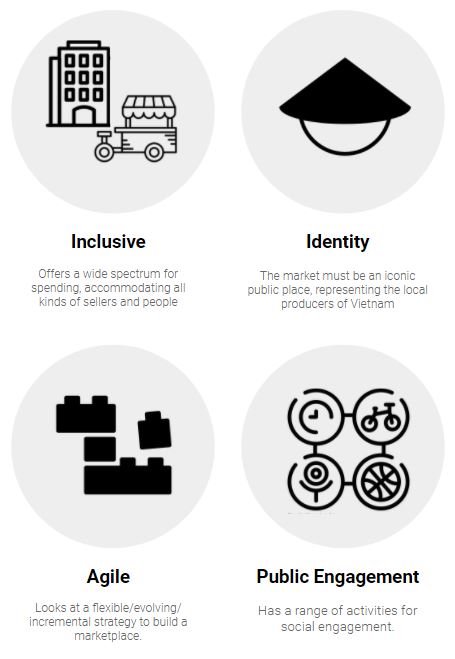
The following objectives can be a point of beginning to conceive this design. Participants can assume their own contexts and users before initiating their design process.
Number of shops/counters can be between 100-200 depending on other programmatic outlines of the design.
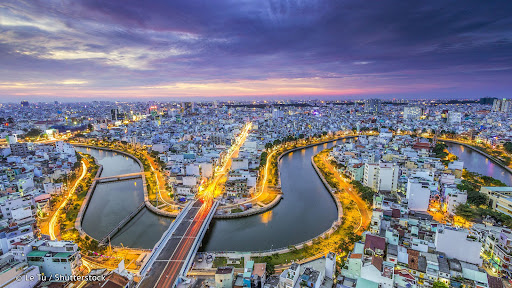
Ho Chi Minh City, Vietnam
Ho Chi Minh City, also known by its former name Saigon, is the most populous city in Vietnam located in southeastern region. The metropolis surrounds the Saigon River. As a major gateway to Vietnam, the city received over 8.6 million international visitors in 2019. Ho Chi Minh City is the economic center of Vietnam and accounts for a large proportion of its economy.
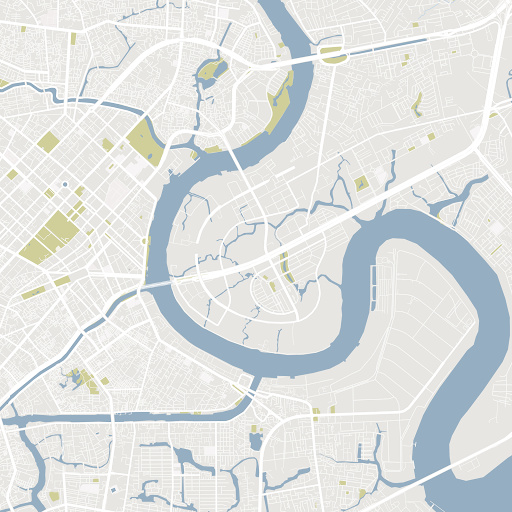
Img 5: Thu Thiem Map
Thu Thiem
Thu Thiem is located on a 647-hectare peninsula across the Saigon River from the historic center of Ho Chi Minh City. Before it’s clearance for redevelopment, Thủ Thiêm was one of the most densely settled areas of Ho Chi Minh City and included a central market established in 1751.The urban area covers an area of 7 square kilometres and consists of several sections: residences, pools, parks and office sections. This new urban area is connected with the existing downtown with several bridges and a 6-lane tunnel.
Sasaki, won an international competition for its redevelopment design and has proposed a master plan for the same. The winning project proposed “six innovation hotspots for catalytic investment”, integrated into a specific site. The site selected for this challenge is a part of this district.
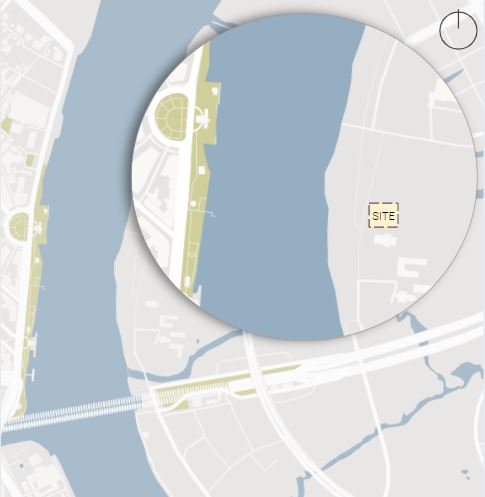
Img 6: Site Plan
Site Plan
The plot selected for this project is a part of the Thu Thiem district and lies within the central vista development of the same. The whole district is still under development and the plot selected is based on an estimate area allocated for civic amenities.
FAR 1 | Site Area ~5100 m2 | 10°46'25.7"N 106°42'39.3"E
Height restrictions - 6 m | Min 100 Max : 200 Shops